
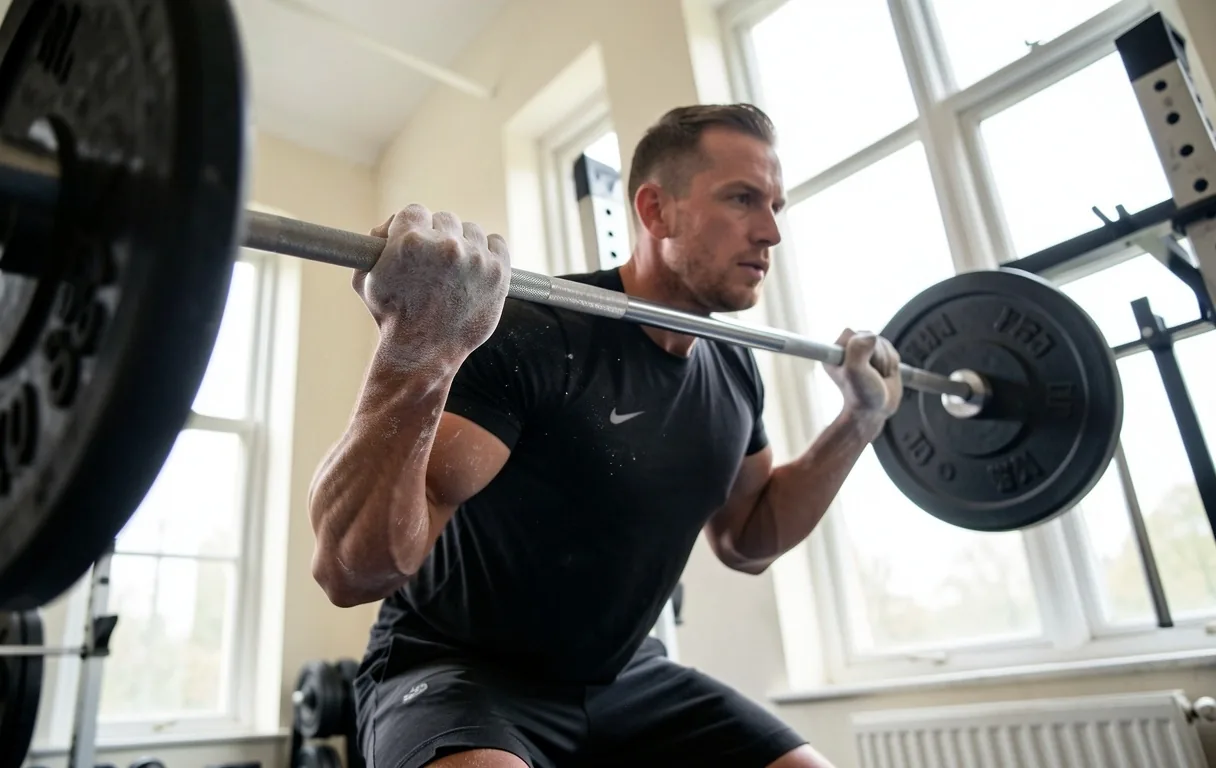
Strength Basis
Master the Hinge
A comprehensive breakdown of posterior chain engagement, focusing on hip-drive and spinal neutrality during heavy pulling movements.
12 min read
View Guide
At TrainerTips UK, we believe that high-performance training is a cognitive pursuit as much as a physical one. Our training guides are structured to bridge the gap between abstract sports science and the practical constraints of a performance-oriented gym environment.
Each technical document serves a specific purpose: to provide the intermediate and advanced athlete with the biomechanical nuances required to master complex movements. We do not offer quick transformations; we provide the methodology for sustainable athletic mastery.
Deep dives into barbell mechanics, bodyweight leverage, and specialized strength patterns.
Guidance on placing these movements within Hypertrophy, Strength, or Power clusters.

A comprehensive breakdown of posterior chain engagement, focusing on hip-drive and spinal neutrality during heavy pulling movements.
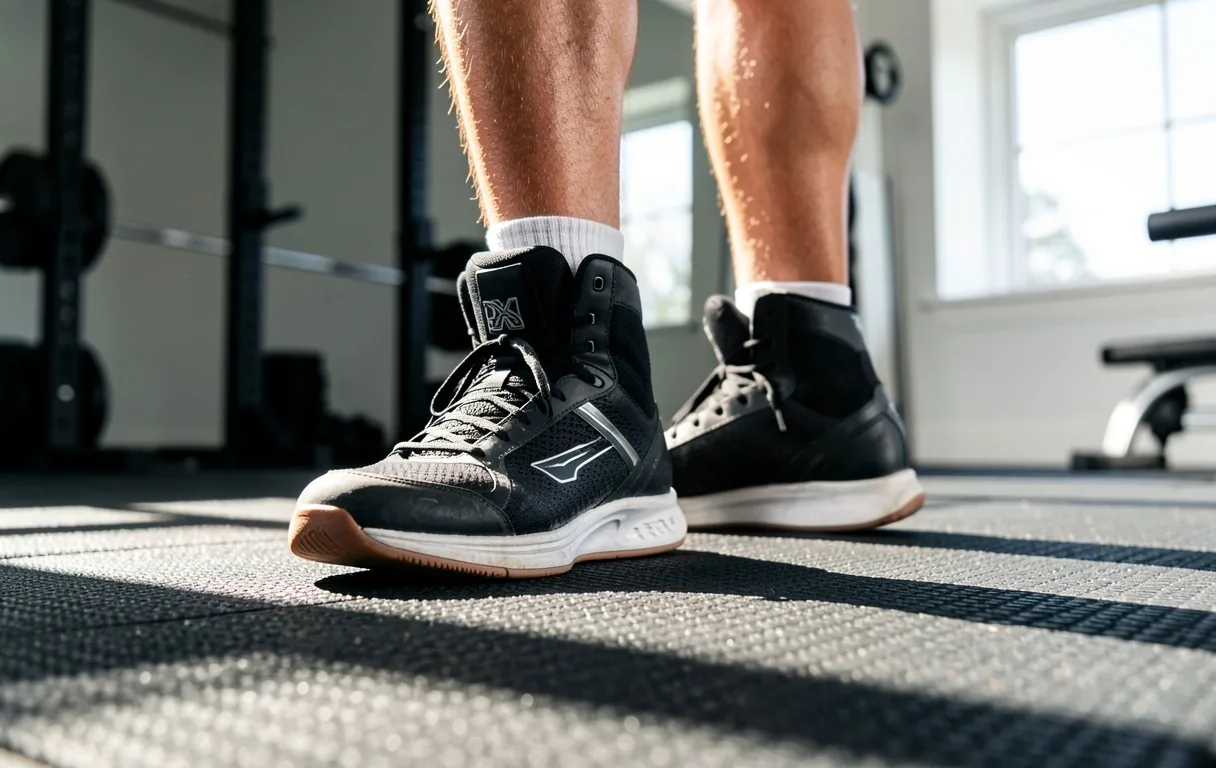
Analyzing the biomechanics of triple extension and the transfer of kinetic energy from the floor through the kinetic chain.
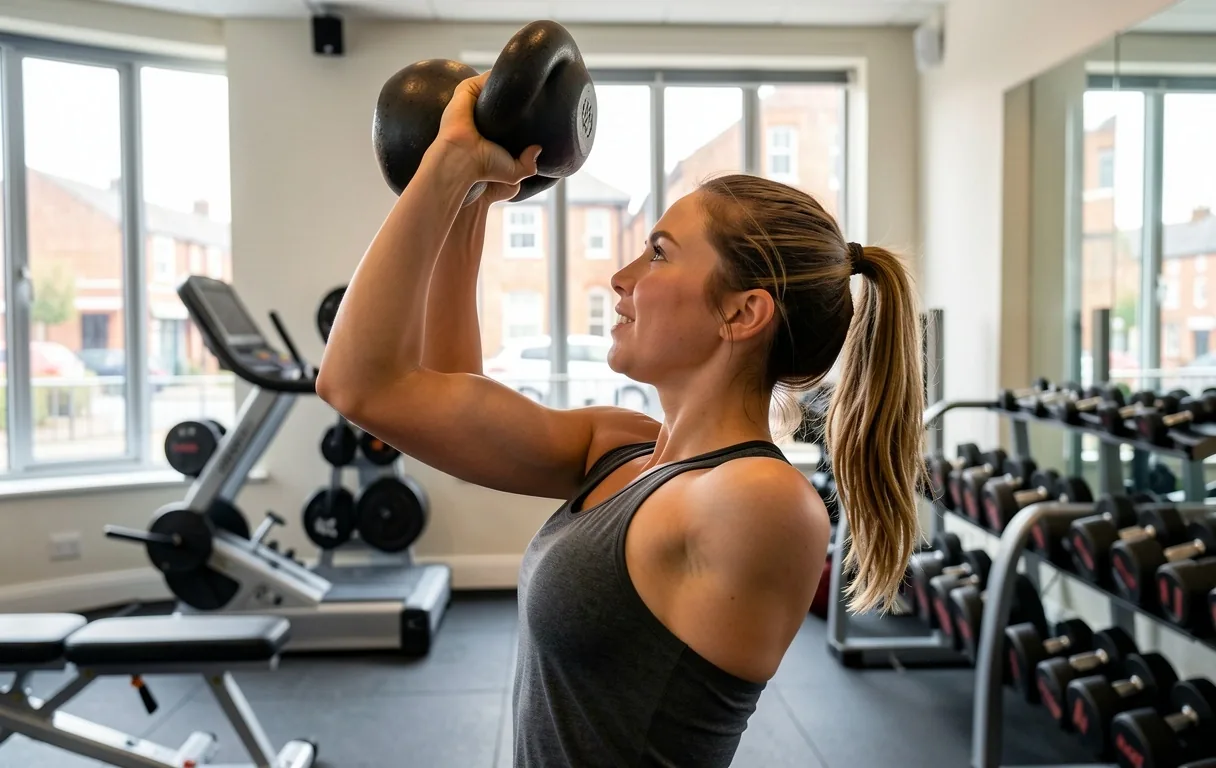
Essential protocols for scapular rhythm during overhead pressing and pull-up variations to ensure long-term joint integrity.
We vet every piece of advice against strict British athletic standards. We do not include "fads" or unproven modalities in our documentation.
Based on current anatomical consensus.
Directly applicable to your training log.
You identify your current training block—Hypertrophy, Strength, or Power. Proper placement determines the efficacy of your next training cycle based on a 12-week performance baseline.
Linear vs. Undulating protocols. We recommend Linear cycles for beginners focusing on mastery, and Undulating for experienced athletes managing high cognitive and neural loads.
Technical mastery through deliberate practice. Focused on barbell and complex bodyweight movements, our guides ensure you specialize in movement mechanics rather than just effort.
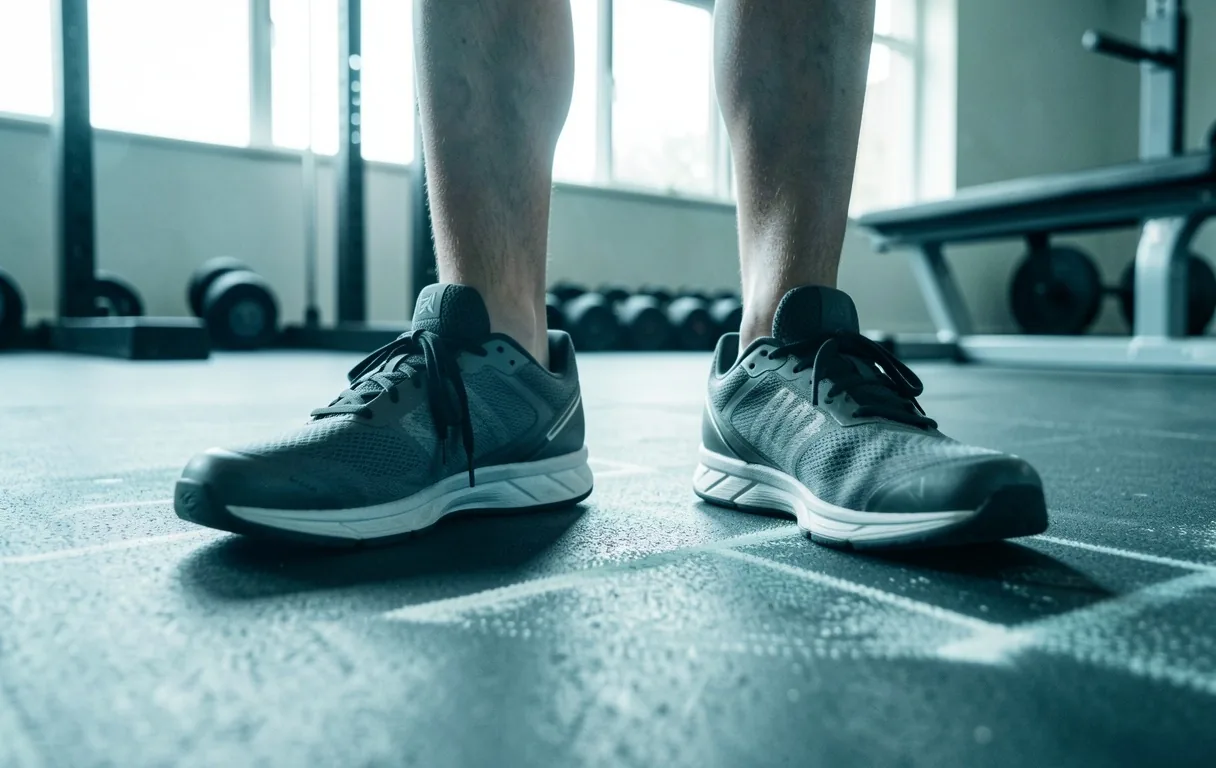
Reading about movement is the first step toward biomechanical efficiency, but implementation requires precision and tracking.
Every training guide published by TrainerTips UK follows a strict internal protocol of biomechanical safety. We avoid rapid-transformation claims, choosing instead to focus on the sustainable development of athletic skills.
Common questions regarding technical skill acquisition.
Our adherence to established UK biomechanical principles.
Response expectations for technical coaching queries.
Meet the educators behind the TrainerTips UK compendium.
Stay current with our newest technical movement guides.